p>Root canal surgery is a critical aspect of oral health that centers on the management of problems related to the tooth pulp and surrounding tissues. This specialized field plays a essential role for people who experience complex dental issues that cannot be resolved through standard root canal therapy. Recognizing the criteria for being a candidate for endodontic surgery is crucial for both clients and oral care specialists. It helps to ensure that patients receive the appropriate care to restore their dental health and alleviate pain.</p>
p>Patients for endodontic surgery generally present with certain conditions that require surgical intervention. These may consist of persistent infections, failed root canal treatments, or structural complications that obstruct effective healing. Evaluating the need for surgery involves a thorough assessment of the patient's dental history, present symptoms, and imaging studies. By determining those who would benefit most from this advanced treatment, we can pave the way for improved outcomes and enhanced quality of life for individuals experiencing dental distress.</p>
h3 id="indicationsreasonssituations-for-endodontic-surgeryroot-canal-surgerydental-surgery">Situations for Endodontic Surgery</h3>
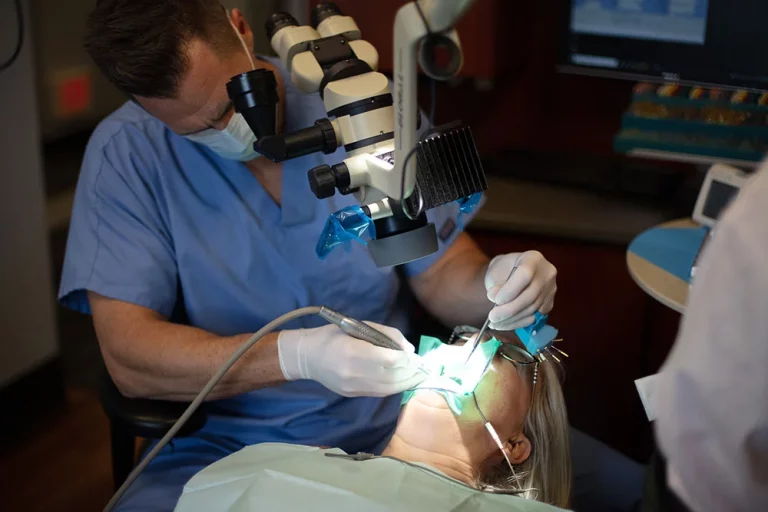
p>Endodontic surgery is frequently recommended when traditional root canal treatment is ineffective to address underlying issues. In instances where the root canal system is complicated, with abnormalities that are difficult to clean and close, surgery may be required to open up these areas immediately. Additionally, persistent infection or pain after prior endodontic therapy can signal the need for surgical action to remove irritated or contaminated tissue that persists.</p>
img width="496" src="https://worldofdentistry.org/wp-content/uploads/2023/04/endodontic-surgery-768x512.webp">
p>A further important indication for root canal surgery is the existence of a hardened or blocked canal. When a root canal becomes jammed due to excessive calcification, it can hinder proper sanitization and sealing, leaving the tooth at risk for failure. Surgical methods like apical surgery can help remove the apex of the tooth and any surrounding infected tissue, allowing for a more effective resolution of the problem.</p>
p>Ultimately, damage to a tooth can lead to problems such as vertical root fractures or injury that may not be apparent through regular imaging alone. In these instances, endodontic surgery enables the endodontist to identify and resolve these issues immediately, potentially saving the tooth that would otherwise be subject to pulpectomy.</p>
h3 id="patientclientindividual-assessmentevaluationanalysis-criteriastandards">Client Assessment Standards</h3>
p>Determining a suitable candidate for endodontic surgery begins with a detailed review of the patient's dental and medical history. This includes evaluating previous interventions of the affected tooth, such as dental pulp therapy and potential problems that may have occurred. Understanding these aspects helps in determining whether the problem persists due to anatomical issues, undetected canals, or various complexities that would necessitate surgical procedure.</p>
p>Medical examination plays a key role in the examination process. The dental professional will conduct tests to determine responsiveness, percussion , and pressure findings to determine the health of the neighboring tissues and tissues. The existence of periapical radiographic shadows and additional imaging findings will also assist the oral surgeon in establishing a conclusive diagnosis. This assists in deciding if the client needs endodontic surgery versus alternative dental treatments.</p>
p>In conclusion, the overall condition of the patient is critical in assessing suitability for endodontic surgery. Health issues such as poorly managed diabetes, immunological disorders, or other general issues may affect the healing process and success of the surgery. It is imperative for candidates to provide an thorough and detailed medical history, allowing the dental professional to balance the risks against benefits and eventually decide on the most effective treatment plan.</p>
h3 id="benefits-of-endodontic-surgery">Benefits of Endodontic Surgery</h3>
p>Root canal surgery offers a variety of advantages for patients experiencing complications that cannot be resolved through traditional root canal therapy. One of the key benefits is the capability to deal with difficult issues such as ongoing infections, anatomical challenges, or injuries that jeopardize the tooth’s health. By directly targeting the cause of pain and infection, this procedure can protect a tooth that might otherwise require extraction, maintaining its function and position in the dental arch.</p>
p>Another important benefit of endodontic surgery is its potential to relieve discomfort and regain oral health. Patients who participate in this procedure typically experience a diminution in pain and discomfort, as it effectively removes infected tissues surrounding the tooth root. The surgical approach allows for a more cleaning and sealing of the affected area, supporting the body’s innate healing processes and improving overall dental well-being.</p>
p>Finally, endodontic surgery can result to improved long-term outcomes for tooth retention. With https://www.linkedin.com/pulse/who-candidate-endodontic-surgery-david-stenburg-y6src in techniques and technology, this specialized surgical intervention can provide permanent solutions for teeth that have previously been deemed compromised. By opting for endodontic surgery, patients can as well retain their natural teeth but also experience a better quality of life without the requirement for more invasive or extensive dental procedures in the future.</p>