p>Production planning becomes easier when the task is small enough to describe precisely. In this fictional recruiting story exercise, small company recruiting teams want to plan a welcoming visual introduction to a real workplace story. https://highsfield.com/ offers Seedance 2.5 workflow guidance and published examples that can inform the planning stage. The right starting point is a specific scene. From there, the creator can define movement, select a suitable reference and prepare a review that another person can repeat.</p>
p>Highsfield’s public pages connect scene prompts, supported image inputs, model settings and review of completed results. Seedance 2.5 is the workflow discussed here, but current availability and accepted inputs should be checked in the generator. The public examples are references with their own context and model attribution. Published media should not be mistaken for a capability guarantee; use it to study a creative decision rather than assume every visible technique is available in every model.</p>
h2>Set a Standard a Draft Can Fail</h2>
p>Consider a fictional assignment for small company recruiting teams. Its purpose is to plan a welcoming visual introduction to a real workplace story. The setting is a quiet office lounge with an empty table, and the required visual detail is the furniture arrangement and natural light. Start by choosing a single action the viewer can follow. Recruiting visuals influence expectations about the workplace. Use generated material for story planning or clearly marked illustration, and rely on real footage for claims about people, facilities and daily working conditions.</p>
p>Before generating a draft, write a short description of an acceptable result. It should preserve the furniture arrangement and natural light and make the action understandable without extra explanation. The acceptance description should be visible in the clip. This turns review into a comparison rather than a debate about how impressive the output feels. The most attractive frame is only one part of that comparison; the whole action needs to survive playback.</p>
h2>Translate the Idea Into a Seedance 2.5 Prompt</h2>
blockquote> <p>A proposed scene prompt could read: "Setting: a quiet office lounge with an empty table. Action: Daylight moves slightly across the table. Camera: a locked medium-wide view. Preserve the furniture arrangement and natural light. Keep the background stable and end with the subject still recognizable." This is an original planning example, not a tested generation record. Select only input and output options the current model actually supports.</p></blockquote>
p>Think of a prompt as a shot brief someone else could stage. It should explain where the subject is, what changes and where the viewer stands. The intended event is simple: daylight moves slightly across the table. The viewpoint uses a locked medium-wide view. Write the physical event before choosing the mood. This order makes it easier to spot contradictory instructions and to distinguish a motion problem from a lighting or composition problem.</p>
p>Record a small number of draft comparisons that answer specific questions. One might test a simpler action; another might test a more stable viewpoint. Keep unrelated settings unchanged when possible. Changing one meaningful instruction produces clearer feedback. In this scene, observe what happens to the furniture arrangement and natural light. A better-looking result is useful evidence only when the reviewer can explain which production requirement it satisfies more convincingly than the previous draft.</p>
h2>Use Public References With Their Context Intact</h2>
figure> <img src="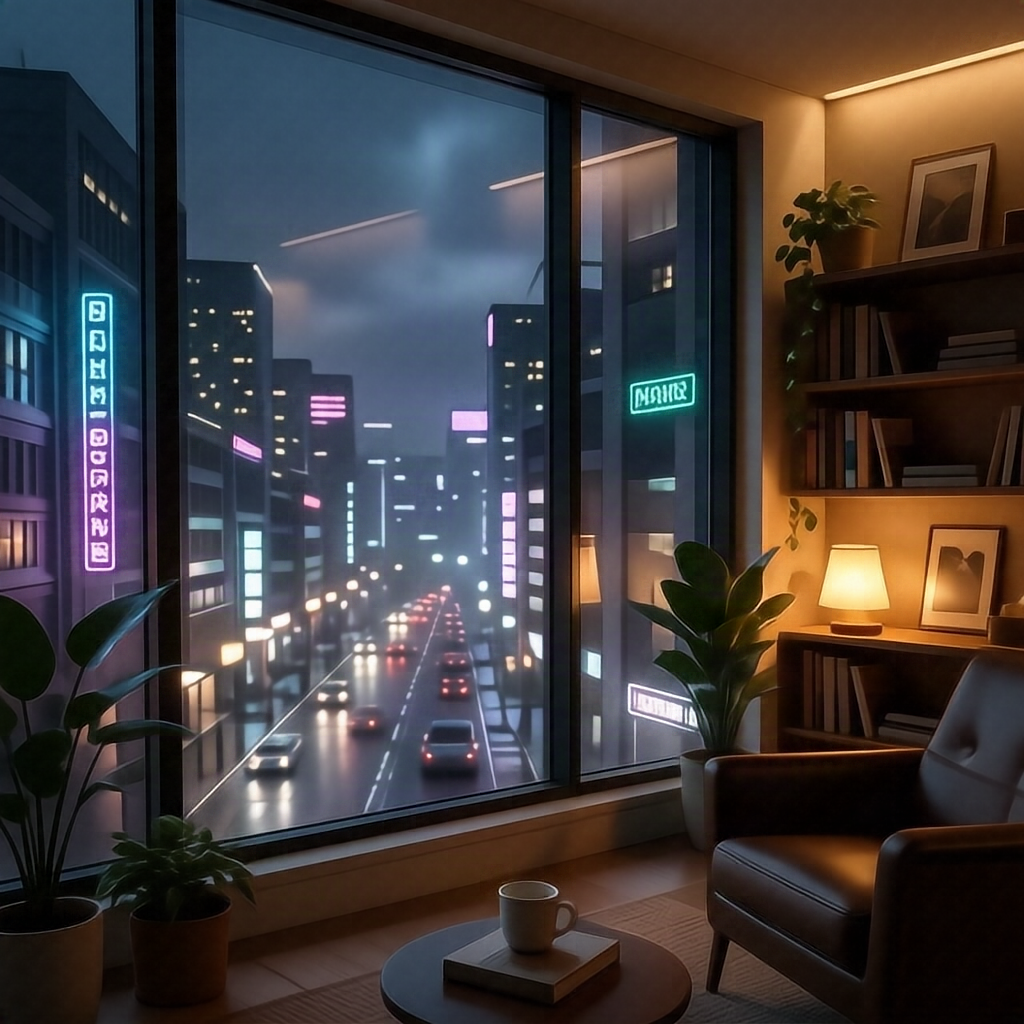 " alt="Reading room overlooking a neon city at night" loading="lazy"> <figcaption> Published Highsfield visual reference: Reading room overlooking a neon city at night. </figcaption></figure>
p>The published image shows a warmly lit reading room beside a cool city view. It is useful for studying the contrast between a stable interior and an atmospheric exterior. The reference supplies a composition, not an automatic motion instruction. Use that distinction when planning the proposed scene. This is a reference from the public site, not a newly generated result or proof of Seedance 2.5 performance.</p>
figure> <video controls="controls" preload="none" poster="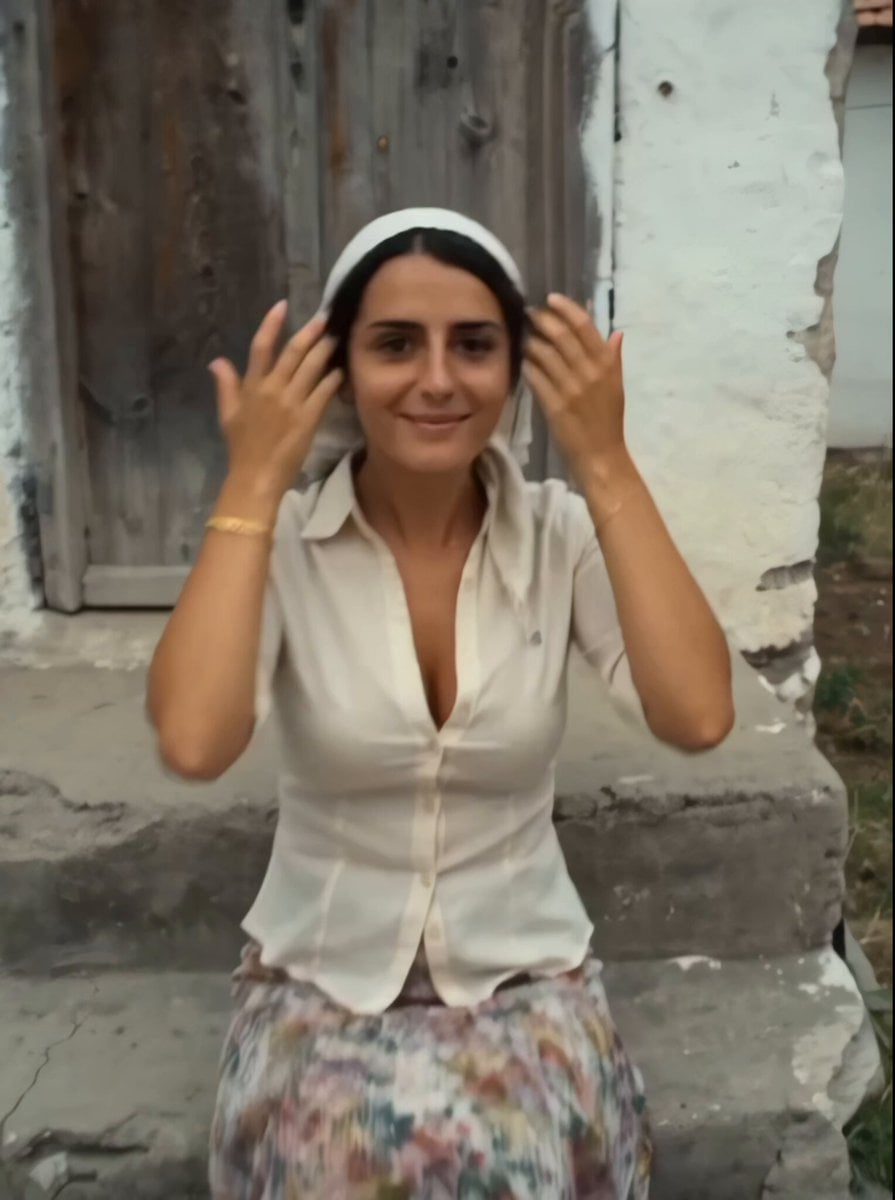 " aria-label="Published character-gesture video example from <a href=" https: highsfield.com "> Highsfield "> <source src="https://s.highsfield.com/uploads/prompt-cases/videos/x-2072664179341676717/video.mp4" type="video/mp4"> </video> <figcaption> Published character-gesture video example from Highsfield. https://s.highsfield.com/uploads/prompt-cases/videos/x-2072664179341676717/video.mp4 . </figcaption></figure>
p>The video poster shows a person making a gesture in front of a doorway. Open the clip to study the readability of a gesture and the stability of the subject’s appearance, then judge the moving result rather than inferring it from the poster. Its use here is as a visual reference; this article does not attribute the clip to Seedance 2.5. Inspect the full action before applying a similar framing decision. The proposed project remains a separate, hypothetical exercise.</p>
h2>Check the Clip Against the Actual Assignment</h2>
p>For this particular concept, compare the final setting with approved workplace photography. Reject the draft if the setting invents facilities the company does not have. That is a visible requirement rather than a general preference for a polished look. If the mismatch appears in only part of the clip, identify that moment before changing the brief. An acceptable opening frame does not excuse a subject or environment that becomes inaccurate during the intended action.</p>
p>A reviewer should be able to explain a rejection in visible terms. ‘The scene feels off’ is less useful than identifying a change in the furniture arrangement and natural light or a break in the intended action. Write down where the problem first becomes visible. The next attempt can then target a specific instruction, while the parts that already work stay intact. Keep the rejected draft as a reference rather than relying on recollection.</p>
p>Use the normal playback speed as well as paused frames. An isolated still can reveal a shape problem, while a full playback reveals whether the movement communicates the intended action. The moving sequence and individual frames answer different questions. For this exercise, inspect the moment when the setting invents facilities the company does not have becomes visible. That observation should determine whether the next step is a prompt revision, a simpler scene or a decision to use another kind of production material.</p>
h2>Take the Highsfield Draft Into the Final Edit</h2>
p>Keep the request settings beside the prompt when evaluating a result. Duration, aspect ratio, resolution and audio options can affect the assignment, and their available values depend on the selected workflow. Let the current interface define the selectable options. If you change the destination of the clip, revisit the framing before generating another version. A crop that removes the key action is a production problem even when the file itself downloads correctly.</p>
p>Maintain a distinction between the generation record and the publishing record. The first explains how the draft was requested; the second identifies the version and copy accepted for use. That separation helps a teammate understand what was approved. For small company recruiting teams, save the chosen draft with its review notes and make the final edit from that approved version. The final asset should carry the intended action into its destination while preserving the accurate details, source context and editorial decisions that made it suitable in the first place.</p>
p>The strongest outcome from this exercise is a repeatable decision process. small company recruiting teams should be able to explain why the shot exists, what the subject does and how a draft is reviewed. Highsfield’s Seedance 2.5 workflow gives the planning a practical setting, while the live controls establish the available options. Move forward when the scene meets its purpose, and keep the result attached to the original prompt rather than treating a lucky visual as a method.</p>


